
Coding for IE6 = Progressive Enhancement
 It was disappointing to see the unwarranted uproar that occurred in the comments of my article on Smashing Magazine on cross-browser CSS. But in retrospect, it was probably a good thing, because a more important (but related) issue was brought to light in the discussion.
At this stage in modern web design, all front-end coders should at least be familiar with (if not very capable of implementing into their projects) the concept of progressive enhancement. In most cases, we tend to associate progressive enhancement with JavaScript and CSS, and rightfully so, because those technologies help us layer our functionality in a way that makes a website accessible to as many people as possible.
But progressive enhancement isn’t just limited to what we accomplish with fancy Ajax, jQuery, and CSS3 — that’s just part of it (albeit a very significant part). I would like to take the Wikipedia definition of progressive enhancement just a little bit further. Here is the definition:
 If you’re at all familiar with the various methods in use today to embed custom fonts in web pages (sIFR, Cufon,
  This exhaustive article includes relevant links, best practices, and other useful resources that will enable all web developers to incorporate sound effects into their web projects in a manner that conforms to the latest in standards and best practices.
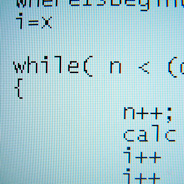 Recently, a few blogs and tutorial sites have posted some really good articles on JavaScript tips and best practices, and I thought that was a good topic that could easily be expanded upon. So I put together a list of 10 fairly simple JavaScript tips and best practices of my own.
 Over the years there have been hundreds, if not thousands of articles published online that have each had a tremendous impact on the world of web development and design. Some have been truly memorable, and have remained quite relevant for years, and remain so today. Others have outlived their usefulness, but we remember them because of the impact they had on our code and on the way we think about web design.


